
"very dark roast"
3000 article(s) found

Cold extract Coffee Powder Grinding degree what kind of coffee bean coffee powder is good to make it sour but not bitter
Professional coffee knowledge exchange more coffee bean information Please follow the coffee workshop (Wechat official account cafe_style) there is a saying I have put up with for a long time, but I just can't find the right occasion to say it, today I will say what I think of cold coffee, that is: what a waste! I was startled the first time I saw the recipe for cold extract coffee. My

What is coffee roasting? How does the coffee change after roasting? Trends in coffee roasting in various countries?
Professional coffee knowledge exchange more coffee bean information Please pay attention to the basic concept of coffee workshop (Wechat official account cafe_style) Raw coffee beans themselves do not have any coffee flavor, only after fried, can you smell the strong coffee flavor. Therefore, the roasting of coffee beans is a process of transformation of the internal components of coffee beans, which can be released only after baking.

How to choose the color of coffee beans
Coffee beans are dark and light in color. Do you know what it means? Coffee fans finally got their fix at Starbucks 'espresso expert event. Coffee beans range in color from grass green to yellow-orange, light cinnamon to dark brown, with dark brown being the most desirable. Because the longer the quality coffee beans are roasted, the more natural volatile oils are produced and will be removed from the surface.
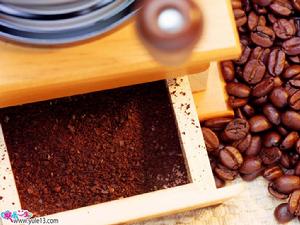
Classification of eight stages of coffee roasting and introduction of depth table
The roasting method of professional coffee is usually divided into the following eight stages. 1. Very shallow baking (LIGHTRoast): the degree of baking; very shallow baking, also known as shallow baking. The lightest roasting degree of all roasting stages, the surface of the coffee beans is a light cinnamon color, its taste and aroma are insufficient, this state is almost undrinkable. It is generally used for testing and seldom for tasting. 2. Shallow baking (C

Coffee beans are made from coffee beans.
The roasting of coffee beans is a very technical job. The raw beans are cooked by heat and the moisture is removed to make them explode. After this procedure, coffee can produce unique aroma and flavor. Generally speaking, short cooking time, coffee beans will be light brown color, sour strong, if the color of the roast is darker, bitter increased, the color is also dark brown. Therefore, the roasting of coffee beans is divided into several different processes

Coffee bean fermentation process coffee bean-making tips
The color of coffee beans is dark and light. Do you know what it means? A few days ago, coffee fans finally got the hang of it at Starbucks' espresso expert event. Coffee beans range in color from grass green to yellowish orange, light jade cinnamon to dark brown, the most ideal of which is dark brown. Because the longer the roasting time of high-quality coffee beans, the more natural volatile oil will be generated from the surface.
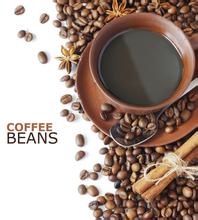
Coffee beans summarize what color the coffee beans are
The color of coffee beans is dark and light. Do you know what it means? A few days ago, coffee fans finally got the hang of it at Starbucks' espresso expert event. Coffee beans range in color from grass green to yellowish orange, light jade cinnamon to dark brown, the most ideal of which is dark brown. Because the longer the roasting time of high-quality coffee beans, the more natural volatile oil will be generated from the surface.
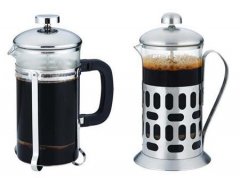
How to choose coffee beans and utensils
Coffee machines (utensils) serve coffee beans; coffee beans serve human taste, and the order of this relationship is irreversible. First of all, we need to know clearly what kind of coffee we like, and find suitable coffee beans and utensils according to this location. For example, if you don't like strong coffee, the espresso made by mocha pot, semi-automatic and fully automatic is not suitable for you.

How to distinguish between good and bad coffee beans Coffee beans are roasted in several different degrees
The roasting of coffee beans is a very technical work. The raw beans are cooked by heat and removed from moisture to make them explode. After this procedure, coffee can produce unique aroma and flavor. Generally speaking, short cooking time, coffee beans will be light brown color, sour strong, if the color of the roast is darker, bitter increased, the color is also dark brown. Therefore, the roasting of coffee beans is divided into several different processes
How long does it take to roast coffee in Manning?
[question] mm-hmm! Went to buy a popcorn machine from Fengda. But it is strange to bake to Manning. Not only is it not very uniform (some are very dark and some are very light), but after baking for a few minutes, most of the beans seem to be burnt. How long will it take for Manning to bake? What skills do you have? [answer] I have mentioned before that Mantenin's raw beans are rich in water and dark in color, so it is difficult to bake evenly.
The production of high-quality coffee learning Espresso is a technical work.
The Espresso boiled at the ideal water temperature is dark reddish brown, and the foam on the surface will have dark brown spots (known as el tigre in Italy), and the foam should be more than 4mm thick. Production of Espresso: generally speaking, large coffee beans can produce better coffee. Under the condition that the quality of coffee beans is fully assured, first of all,
Brief introduction of baking degree
These days, I am busy with the month-end report, and I have no time to update my blog. I have no choice but to bend over five buckets of rice to discuss that the taste of coffee mainly depends on baking. Generally speaking, shallow roasting will have a brighter sour taste. Deeper baking will have a stronger bitter taste, this is the basic rule. The depth of baking mainly depends on the characteristics of raw beans, personal preferences and other factors, the most important is bitter.

Can you tell whether the appearance color of coffee beans is fresh?
The color of coffee beans is dark and light. Do you know what it means? A few days ago, coffee fans finally got the hang of it at Starbucks' espresso expert event. Coffee beans range in color from grass green to yellowish orange, light jade cinnamon to dark brown, the most ideal of which is dark brown. Because the longer the roasting time of high-quality coffee beans, the more natural volatile oil will be generated from the surface.
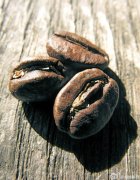
Drinking coffee must start with raw coffee beans.
The Espresso boiled at the ideal water temperature is dark reddish brown, and the foam is mottled dark brown (the Italians call it el tigre), and the foam thickness should be more than 4mm. On the whole, large coffee beans can produce better coffee. In the case that the quality of coffee beans is now fully mastered, the first skill problem to be dealt with is blending.
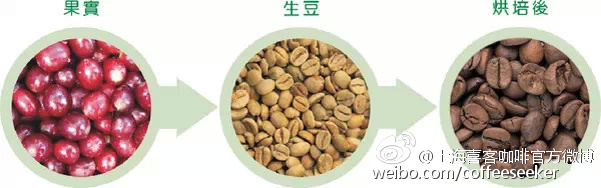
The knowledge of roasting coffee beans what is the reason why coffee roasting is astringent in the roasting skills of coffee?
Raw coffee beans themselves do not have any coffee aroma, only after baking, you can smell the strong aroma of coffee. So the roasting of coffee beans is the transformation process of the internal components of coffee beans, only after roasting to produce ingredients that can release the aroma of coffee, we can smell the aroma of coffee. But in the roasting process of coffee beans, the change in composition is ten.
Note that caffeine in deep roasted beans is higher than that in shallow roasted beans.
Because of the high rate of dehydration and weight loss of deep roasted beans, it is necessary to brew coffee with more coffee beans, resulting in drinking more caffeine, so the caffeine of deep roasted beans is higher than that of shallow roasted beans, which is very important. The melting point of caffeine is as high as 237 degrees Celsius, so the roasted caffeine is almost completely retained and dissolved in the cup. People often mistakenly think that the caffeine of deep-baked beans is lower than that of shallow-baked beans, but it may be just right.

The advantages and disadvantages of coffee flood cultivation machine how many flavors are there in different roasting degrees?
Concept but in the roasting process of coffee beans, the transformation of ingredients is very complex, after all, coffee beans are organic matter, so the transformation of this component is very complex, and the modern knowledge of organic chemistry can not fully understand. However, the roasting of coffee beans directly determines the aroma of coffee beans. Coffee that is not roasted well, even if raw coffee beans are good
What looks like a baking flaw? What is the flavor of baking defects? What are the effects of flavor?
Professional coffee knowledge exchange more information about coffee beans please follow the coffee workshop (Wechat official account cafe_style) medium American roasting. If it is a little darker than medium, it may be a city, also known as normal, brown: make the color as dark as possible without oil. Viennese American term meaning slightly darker than medium baking. This kind of baking will bring

What is coffee roasting? is there anything particular about roasting coffee beans that have oil?
Roasting is a process of heating that turns coffee into fragrant dark brown beans that we are familiar with and love. Roasting brings out the aroma and flavor locked inside the raw coffee beans. Beans are stored green, and in this state they can be preserved without losing quality or taste. Mung beans do not have any of the characteristics of baked beans. They bite soft and spongy and smell.
Coffee roasting degree explanation
1. When studying the roasting degree of coffee beans, the degree of roasting can be judged by sound, color and aroma. The color changes from light gray to dark brown, and the aroma changes from elegant to rich; the sound is two times of explosion, taking the high temperature resistant raw beans as an example, the first explosion starts at about 7 minutes and lasts for about 2 minutes. The sound is low, indicating the beginning of pyrolysis, starch conversion to caramel, and water evaporation.